
Category: William L. Kovacs
-

David v. Goliath: Montana v. Corporate Money in Politics
by William L. Kovacs, ©2026 (Oct. 5, 2026) — Montana enacted its Corrupt Practices Act in 1912 to restrict corporate political spending. Following Citizens United, the Montana Supreme Court upheld the state’s prohibition, relying on Montana’s history of regulating corporate political influence. In 2012, however, the U.S. Supreme Court reversed that decision in American Tradition…
-
Information Quality Act: Basis for Serious Regulatory Reform
by William L. Kovacs, ©2026 (Sep. 21, 2026) — A July 23, 2026, New York Times article, “Big Businesses Quietly Desert Climate Goals,” illustrates an unsettling feature of American policymaking: major corporations often adjust their policy priorities to accommodate the beliefs and preferences of whichever administration holds power. The potential rewards are substantial—subsidies, grants, tax…
-
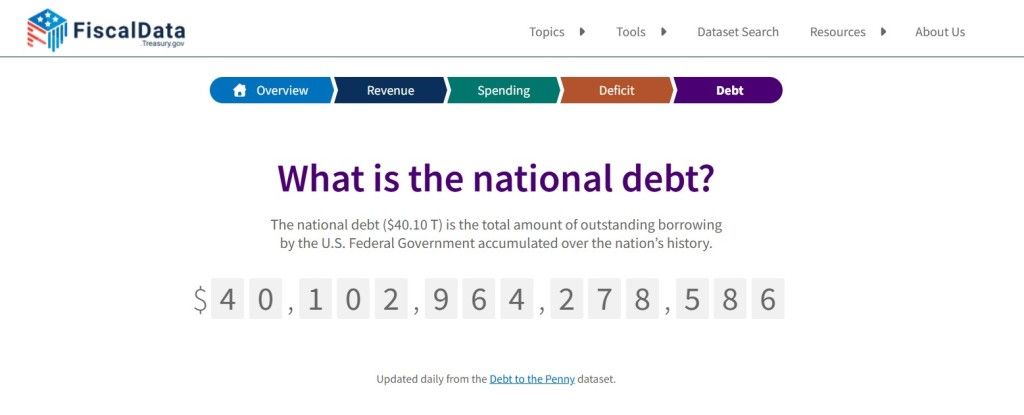
Republicans Need a Sanity Check on a $40 T National Debt
by William L. Kovacs, ©2026 (Sep. 7, 2026) — Every Republican president and most Republican congressional candidates since Calvin Coolidge have advocated reducing the national debt. Calvin Coolidge was the only Republican president to cut the budget by one-third during his term in office and achieve a budget surplus. Since then, every president has added to…
-
Corporate Personhood: Constitutional Doctrine Without Constitutional Text: Part IV
by William L. Kovacs, ©2026 (Aug. 24, 2026) — Part IV: Using AI Statistics to Prove Corporate Money Corrupts Politics After 140 years of Supreme Court holdings that corporations have constitutional rights, there does not appear to be a simple remedy for balancing the use of massive corporate resources to control the political system while…
-

Corporate Personhood: Constitutional Doctrine Without Constitutional Text, Part III
by William L. Kovacs, ©2026 (Aug. 10, 2026) — Part III — Citizens United and the Rise of Corporate Political Power From Artificial Entity to Political Actor. The decisive step in the evolution of corporate political power came with Citizens United. The case did not hold that corporations could make unlimited direct contributions to candidates.…
-

Corporate Personhood: Constitutional Doctrine Without Constitutional Text, Part II
by William L. Kovacs, ©2026 (Jul. 27, 2026) — Part II — Santa Clara: The Decision That Never Explained Itself. The constitutional transformation of corporations from artificial beings to constitutionally protected political actors is often traced to the Supreme Court’s 1886 decision in Santa Clara County v. Southern Pacific Railroad Company. The litigation involved California’s…
-

Corporate Personhood: Constitutional Doctrine Without Constitutional Text
by William L. Kovacs, ©2026 (Jul. 13, 2026) — One of the least understood controversies in constitutional law is how corporations were transformed from artificial beings of state law into constitutional actors possessing rights the states cannot withdraw. The transformation to personhood over time gave corporations greater practical political influence than individual citizens because the…
-

Transitioning the Administrative State to State Capitalism
by William L. Kovacs, ©2026 (Jun. 29, 2026) — RIP Administrative State! President Trump has slain it by cutting programs, funding, and civil servants, and by minimizing the effectiveness of the rules-confining Administrative Procedure Act. As a result, there are few remaining consumer protections, banking protections, and little aid for the poor. Concurrently, Justice Gorsuch…
-

Weaponization Fund Is Symptom of Congress’s Irrelevance
by William L. Kovacs, ©2026 (Jun. 15, 2026) — Democrats are criticizing President Trump and the IRS for settling a lawsuit the president brought against his own IRS over injuries allegedly caused by the leak of his tax records by the Biden administration. Initially, Trump sued for $10 billion but reached a settlement with the…
-
Partisan Redistricting: Taking Political Power from Voters
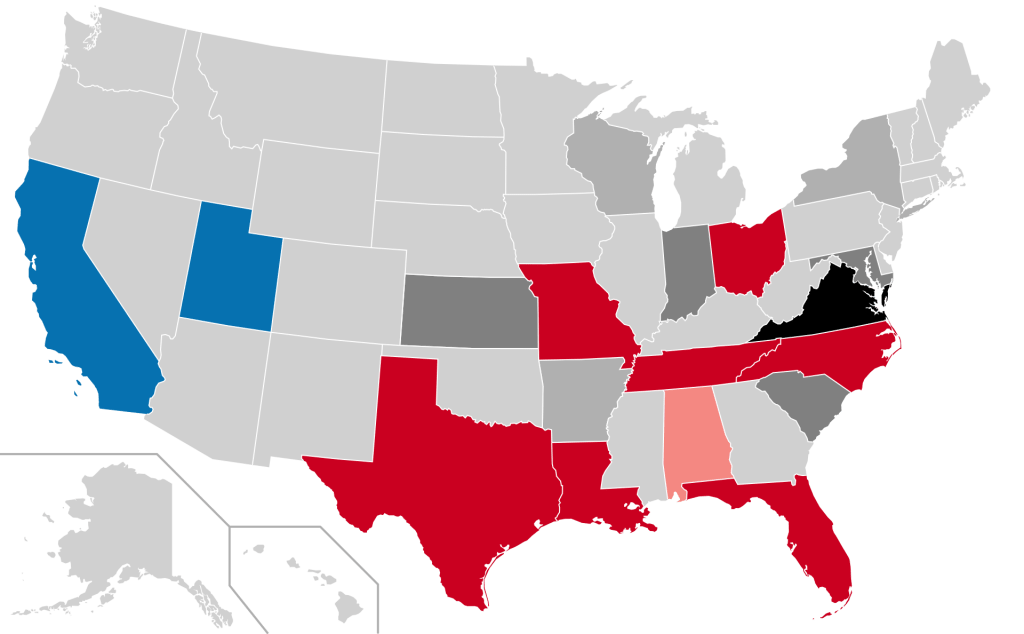
by William L. Kovacs, ©2026 (Jun. 1, 2026) — The U.S. Constitution protects the rights of citizens. It says nothing about protecting politicians from voters. Yet with the rise of partisan redistricting — especially mid-decade redistricting — citizens are increasingly treated as political commodities to be rearranged for partisan advantage. Elected officials are supposed to…
-
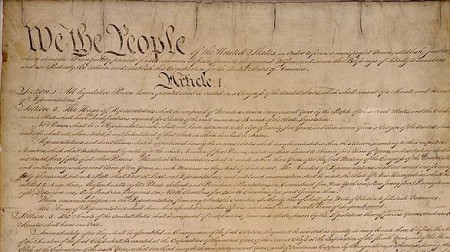
The Constitution Only Works When Congress Works
by William L. Kovacs, ©2026 (May 18, 2026) — Congress holds massive powers under the Constitution. Yet it consistently fails its most basic duties: timely appropriations, balanced budgets, debt management, oversight, checking presidential overreach, and debating its war-making powers. This chronic neglect is no minor flaw; it signals a deep “disassociation”—a dangerous gap between what…
-
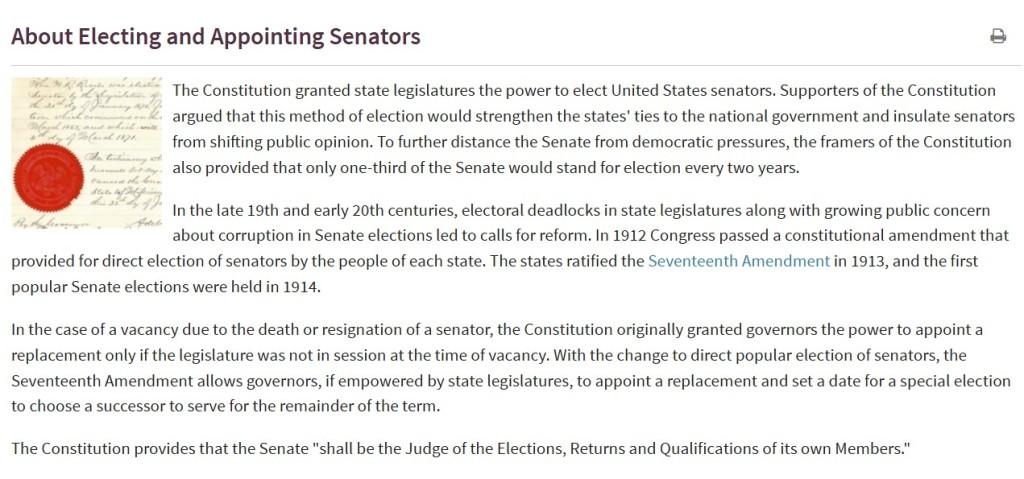
Direct Election of U.S. Senators: Reform or Mistake?
by William L. Kovacs, ©2026 (Apr. 28, 2026) — Several Supreme Court decisions expanding federal authority, together with the direct election of U.S. Senators, have contributed to significant growth in the federal government. However, the role of the Seventeenth Amendment in this transformation is not often discussed. The constitutional change that transferred the selection of…
-
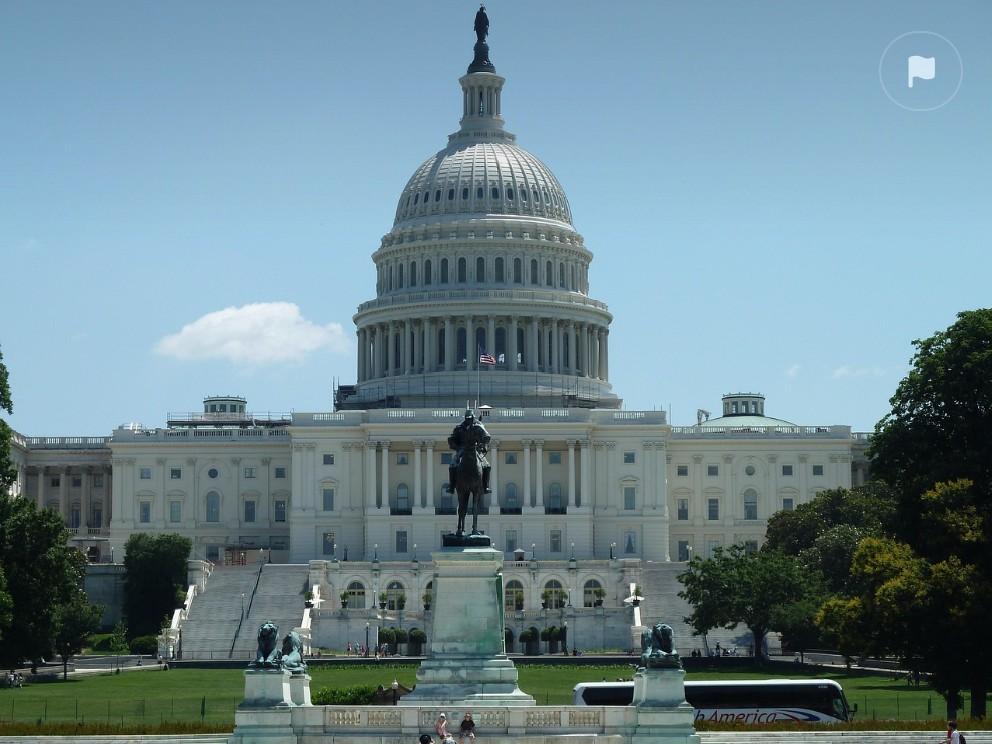
Trump Admits Devolution of Federal Power to States Is Needed
by William L. Kovacs, ©2026 (Apr. 13, 2026) — A few days ago, President Trump admitted, “It’s not possible for us [federal government] to take care of daycare, Medicaid, Medicare,” since we are fighting wars. He then notes that the states will have to raise their taxes to pay for childcare, and the federal government…
-
Use Immunity, Congress Can’t Handle the Truth on Epstein
by William L. Kovacs, ©2026 (Mar. 30, 2026) — Congress initiates investigations to issue press releases and to give the impression of undertaking oversight to get to the truth. Unfortunately, Congress never seems to discover the truth. The question is why. Does it lack the authority, or does it mean the Congress can’t handle the…
-
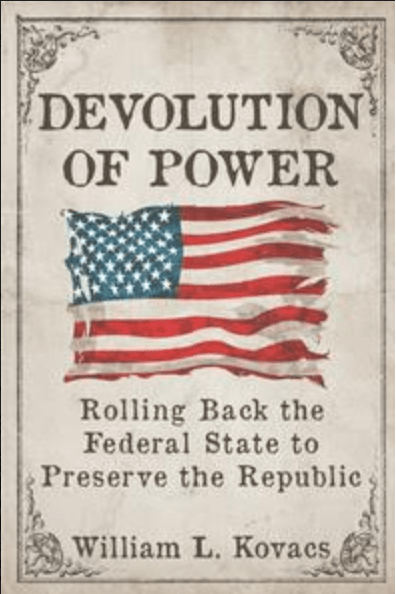
What Happens to State Sovereignty When Federal Money Stops?
by William L. Kovacs, ©2026 (Mar. 16, 2026) — Now that the conflict between Minnesota and the federal government over immigration enforcement and the loss of federal funds is off the front pages, it is time to discuss the long-term constitutional issues involving state sovereignty and federalism. James Madison, in Federalist No. 45, argued that…
-
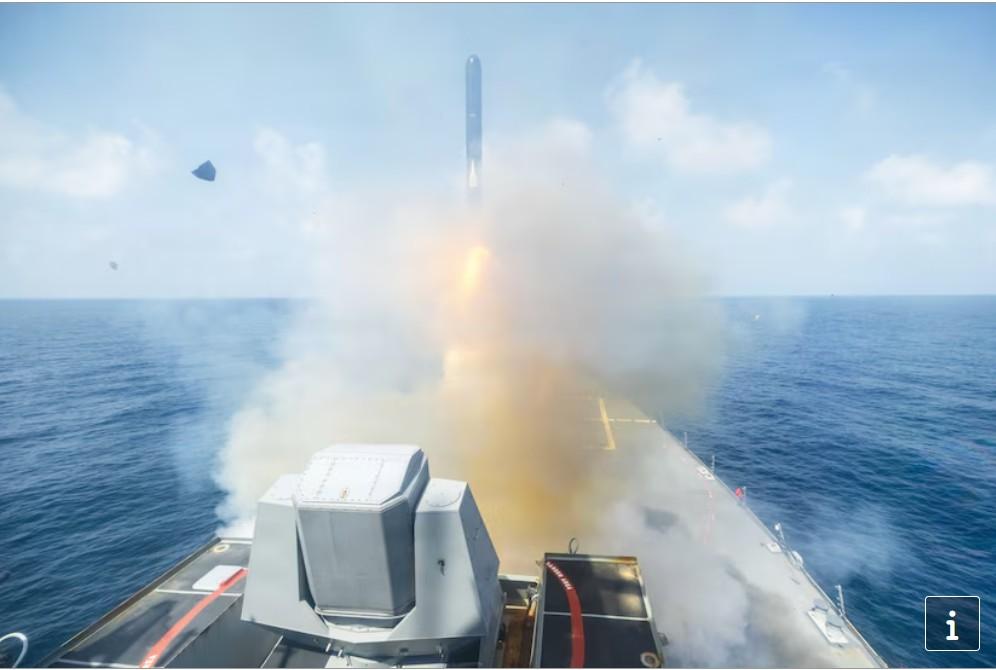
The Iran War Allows Congress to Make Itself Relevant Again
by William L. Kovacs, ©2026 (Mar. 3, 2026) — Congress works hard to make itself irrelevant. It has achieved irrelevance by failing to use its power to control spending, accepting Executive Orders and Emergency Declarations as the law, and, most recently, by refusing to assert its authority over the president’s imposition of worldwide tariffs. Now,…
-

SCOTUS Strikes Down Tariffs, Judgment Fund, Citizens Will Pay
by William L. Kovacs, ©2026 (Feb. 20, 2026) — On February 20, 2026, SCOTUS struck down the Trump tariffs, writing, “The Framers did not vest any part of the taxing power in the Executive branch.” Moreover, as expected, the difficult part of the decision, how to refund $133 billion of the taxes illegally imposed, is…
-

A Constitutional Rupture, Feds Diminishing Federalism
by William L. Kovacs, ©2026 (Feb. 16, 2026) — The citizen protests in Minneapolis and the conflict between the state and local governments and the federal government highlight the need for cooperative federalism. In today’s polarized political climate, it may not be achievable, but it is necessary to keep the Union together. Recent headlines tell the…
-

The Federal Courts Have Become Another Political Branch
by William L. Kovacs, ©2026 (Feb. 2, 2026) — Since 2006, trust in the federal courts has declined from 60% to 35%. While confidence in the U.S. judiciary is at its record low, it is still higher than what Gallup has previously measured in places such as Venezuela in 2016 (16%), the Democratic Republic of…
-
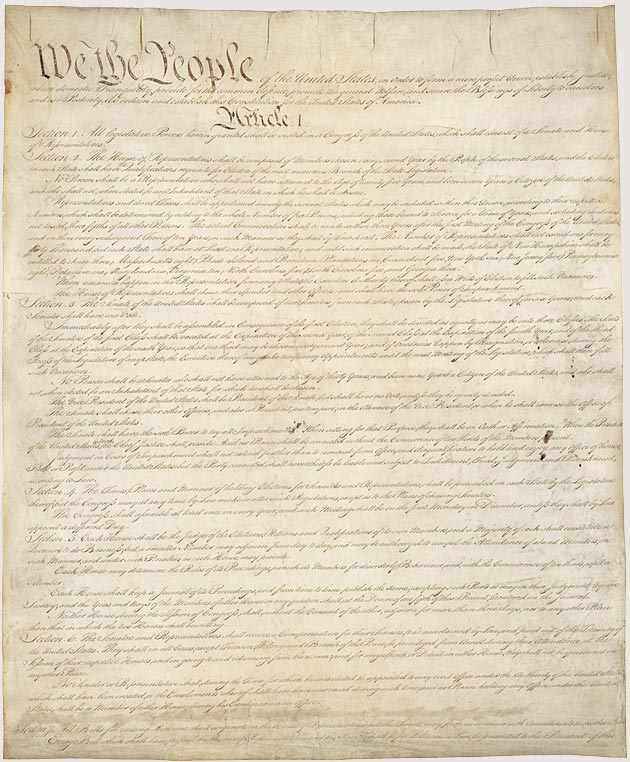
The Constitution Does Not Confer Power—It Limits It
by William L. Kovacs, ©2026 (Jan. 19, 2026) — It was unsettling to read, recently, a senior White House official assert that “nobody’s going to fight the United States military over the future of Greenland,” followed by the claim that the iron law of the world is power. More troubling still was the President’s own…