
by Allan Wall, VDare, ©2023
(Aug. 28, 2023) — Confederate statues should be taken down, we’ve been told, because the Confederates were ”traitors” and ”losers.”
Confederate statues were canaries in the coal mine. Now all American history, and with it the legitimacy of the American nation, is under attack.
The latest target is General ”Mad” Anthony Wayne, of the Revolutionary and Indian Wars. Wayne fought for the United States and won. Now he’s on the chopping block.
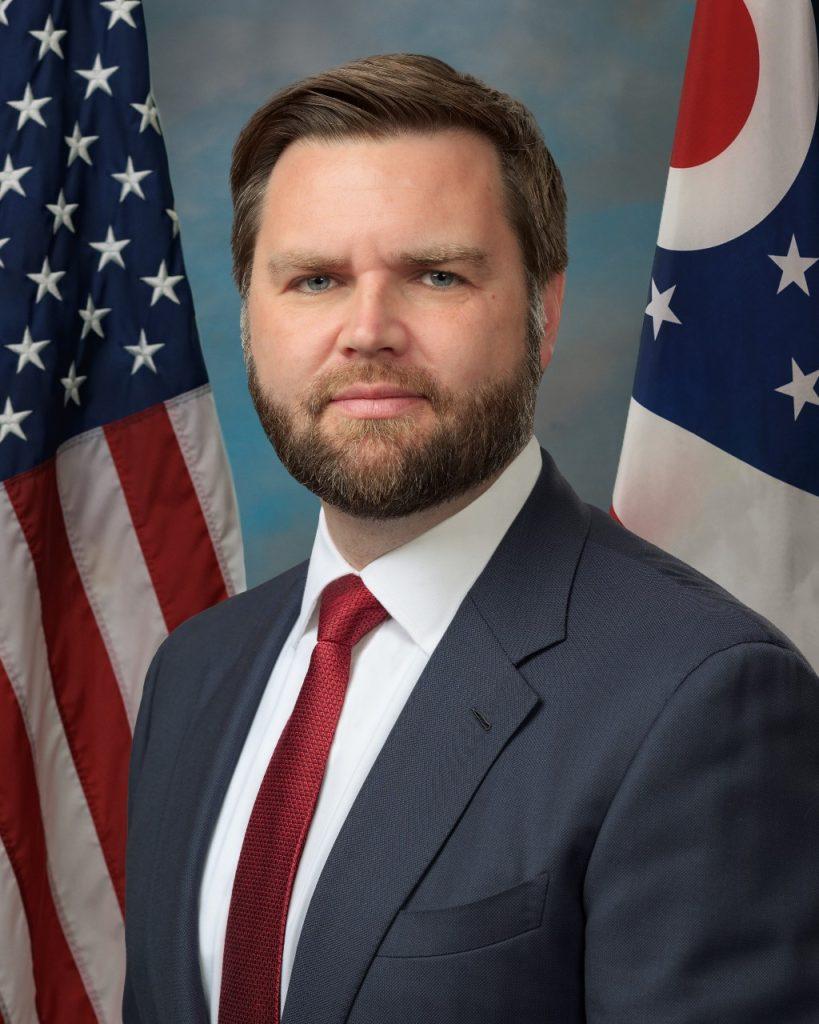
Senator J.D. Vance of Ohio is defending Wayne’s place in Ohio and American history. There’s a way that you can too, dear reader.
From Cleveland.com:
Native American tribes whom Gen. Anthony Wayne helped remove from Ohio more than 200 years now want to remove his name from the Southeast Ohio’s Wayne National Forest. The Forest Service on Monday [August 21] formally proposed changing the name of the 244,000-acre forest in the Appalachian foothills to the Buckeye National Forest, “in response to requests from American Indian Tribes and local community members.”
[Tribes want to rename Ohio’s Wayne National Forest. Sen. JD Vance does not, by Sabrina Eaton, cleveland.com, August 24, 2023]
What’s going on here?
A Forest Service press release said Wayne’s “complicated legacy includes leading a violent campaign against the Indigenous peoples of Ohio that resulted in their removal from their homelands,” and described the current forest name as “offensive because of this history of violence.”
The ”violent campaign” referred to was a U.S. military campaign against then-hostile tribes. Had Wayne not won, the U.S. Midwest as we know it would not exist.
It [the press release] said the tribes suggested the Buckeye National Forest name, since the buckeye is both Ohio’s state tree and the state’s nickname. Other names floated for the forest include ”Ohio National Forest” and “Koteewa National Forest.”
Senator Vance is opposing this. Good for him.
U.S. Sen. JD Vance on Thursday [August 24] asked top Forest Service and U.S. Department of Agriculture officials to oppose the change. In a letter to Agriculture Sec. Tom Vilsack and Forest Service Chief Randy Moore, Vance said the name change would denigrate Ohio history and represent “a lack of fidelity to our nation’s founding generation.”
Are any other senators supporting Vance on this? Are your senators? You might ask them.
Vance said calling Wayne’s legacy “complicated” is an “all-too-common dismissive, academic handwave that is beneath the dignity of the United States government.
“This sterile summarization is part of a wider federal trend that is replacing real people with abstract things and real histories with vapid anecdotes,” Vance continued. “Wayne heroically served our nation in a time when its continued existence was not a foregone conclusion. He fought wars and won peace for our government, the government you now serve, and hewed Ohio out of rugged wilderness and occupied enemy territory. Just as the United States would not exist without George Washington, Ohio would not exist without Anthony Wayne.”
Senator Vance gets it.
Wayne served as a general in the Revolutionary War and participated in the Constitutional Convention. His nickname was “Mad Anthony Wayne” either because of his bold military tactics, or his hot temper and penchant for “off-color language.” He was appointed Commander-in-Chief of the United States Army by President George Washington and dispatched to subdue tribes who lived in Ohio.
According to Encyclopedia Britanica, Wayne ended Indian resistance when his seasoned force of 1,000 men routed the 2,000 warriors gathered for a final confrontation near Fort Miami on the Maumee River. His victory led to the 1795 treaty of Greenville, which ceded much of Ohio and parts of Indiana, Illinois and Michigan to the United States.
This article doesn’t mention the name of this strategic triumph. It was the Battle of Fallen Timbers, fought on August 20th, 1794 in what is now northwest Ohio.
One man in that ”seasoned force of 1,000 men” was my great-great-great-great-grandfather, Anthony Dunlevy, who had previously served at Fort Pitt (now Pittsburgh) in the American Revolution.
That engagement was the final battle of the Northwest Indian War, fought from 1785-1795, which gave the U.S. control of the ”Northwest Territory.”
Read the rest here.