
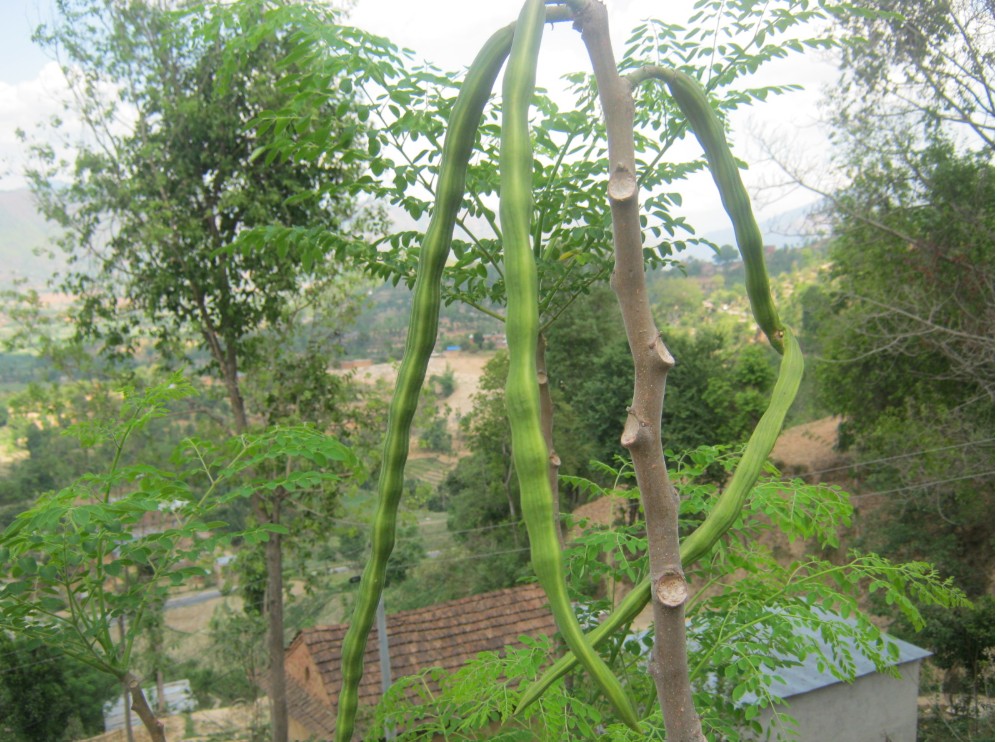
by Stephen Thomas, ©2026

(Sep. 28, 2026) — I am currently pushing through my sixth week of battling COVID-19 for the fourth time. Anyone who has survived this foul disease knows the heavy, suffocating cellular fatigue that drags on long after the initial fever breaks. During my second and third bouts, my recovery only truly turned a corner when my Filipina wife intervened with what she affectionately calls “the poor people’s medicine”: fresh malunggay juice. In the US, we know this plant as Moringa.
Last week, we got a bit lazy and stopped preparing our usual regimen. Almost immediately, I felt a noticeable relapse into that sluggish, viral exhaustion. Yesterday, we spun the juicer back up—blending about two tablespoons of fresh malunggay juice into three ounces of orange juice. Within twenty-four hours, the “perk up” returned. There is an undeniable, aggressive medicinal power to this plant, and it got me thinking about a bizarre cultural disconnect.
If you mention the name Moringa oleifera (or malunggay) to an immigrant from India, Puerto Rico, the Dominican Republic, or the Philippines, their eyes light up with instant recognition. They know it as a vital culinary staple and a backyard pharmacy. Yet, ask the average American about it, and they will simply give you a blank stare. We live in a society obsessed with expensive synthetic supplements, completely blind to a literal “miracle tree” that grows like a weed.
The rapid energy boost I experienced from my morning concoction isn’t folklore; it is precise biological chemistry. When a virus like COVID-19 ravages the body for weeks, it drains our cellular energy banks and creates massive “oxidative stress”—essentially a chemical wildfire that damages healthy cells. Fresh, raw moringa acts like a fire extinguisher. It contains all nine essential amino acids and heavy concentrations of B-vitamins (B1, B2, B3, and B6), which act as metabolic ignition keys to convert nutrients into physical energy. Furthermore, it is loaded with cell-stabilizing antioxidants like quercetin, which helps calm systemic inflammation.
The magic truly happens, however, in how you choose to liquid-blend the leaves. In my previous bouts, we mixed the moringa with carrot juice, but this time we swapped to orange juice. Both act as brilliant delivery vehicles, but they target entirely different pathways of viral recovery.
By mixing the bitter green extract with orange juice, you introduce a massive wave of Vitamin C. Moringa leaves are naturally packed with iron, but plant-based iron is notoriously difficult for the human gut to absorb on its own. The ascorbic acid in orange juice chemically transforms that iron, unlocking it so your body can instantly absorb it. This triggers a rapid boost in hemoglobin production, instantly flooding your exhausted, oxygen-deprived tissues with fuel and giving you that immediate “perk up.”
Conversely, our previous recipe with carrot juice acted as a long-term tissue rebuilder. Carrots are packed with beta-carotene, which the liver converts into Vitamin A. While Vitamin C drives immediate energy, Vitamin A is the absolute gold standard for repairing mucosal linings. It gives the body the structural raw materials it needs to heal the respiratory tract and lung tissues after weeks of heavy coughing and viral assault. (A word of warning to anyone trying this at home: these concentrated minerals and plant defense compounds can shock an empty stomach. Always pair this tonic with a light piece of toast or crackers to buffer the stomach lining and prevent sudden nausea! I always take this before a meal.)
But the benefits of this tree extend far beyond treating post-viral exhaustion. In the Philippines and throughout many tropical cultures, moringa is the ultimate postpartum care. After a woman gives birth, she is immediately fed dishes heavy with malunggay leaves to stimulate the production of prolactin and oxytocin, naturally getting the breast milk flowing.
When it comes to bringing this backyard pharmacy into the kitchen, the true beauty of malunggay lies in its culinary versatility. It behaves much like a highly robust spinach, carrying a mild, slightly earthy flavor that easily absorbs the rich spices and broths of whatever it is cooked in. In our household, a definitive family staple is Ginisang Munggo (or “mongo” beans). This deeply comforting, savory Filipino stew features dried green mung beans simmered until tender, layered with garlic, onions, tomatoes, and crispy bits of pork belly. Just as the heat is turned off, a massive handful of fresh malunggay leaves is stirred into the pot. The residual steam wilts the greens to a bright, vibrant emerald, sealing in their vitamins and transforming a simple bean dish into an ultimate, protein-packed comfort food.
We have also found spectacular success incorporating it into Western dishes. During my current bout with COVID-19, one of our primary healing meals has been a hearty, slow-simmered vegetable beef stew. By tossing several handfuls of fresh moringa leaves directly into the broth during the final few minutes of cooking, the greens become tender without losing their structural integrity. They add a magnificent, nutrient-dense bite that beautifully complements the rich, savory beef and root vegetables. It is proof that you do not need to restrict this tropical superfood strictly to traditional Asian cuisine; it can instantly elevate the nutritional profile of standard American comfort foods.
Globally, the recipes are as diverse as the cultures that revere the tree. In traditional Filipino kitchens, you will frequently find it floating alongside ginger and green papaya in Tinola, a classic restorative chicken soup. Across the Indian subcontinent, where the tree is known as Murungai, the leaves are dry-roasted with lentils, chana dal, and red chilies to make a coarse, spicy seasoning powder known as Moringa Podi, which is sprinkled over hot rice or breakfast items. In South India, it is commonly sautéed with fresh grated coconut and mustard seeds to make a vibrant stir-fry called Thoran. From Caribbean stews to West African couscous dishes (Zogale), the international consensus is clear: the leaves are meant to be eaten fresh, often, and tossed in at the very end of cooking to preserve their living, curative energy.
The rest of the tree is equally miraculous. In developing nations, the crushed seeds of the moringa tree are used as a highly efficient, all-natural water purification system. Proteins within the seeds bind to bacteria and silt, causing them to clump together and sink to the bottom, rendering turbid water safe to drink. Furthermore, traditional Ayurvedic medicine (a 5,000- year-old approach to healing in India) utilizes the pods to soothe joint pain and the root bark to fight off stubborn skin infections.
Right here in coastal Mississippi, I have managed to keep a tropical five-year-old root system thriving through freezing winters by cutting the trunk down and wrapping it in thrift-store quilts and cardboard. If I can grow a thriving backyard pharmacy right here in the variable climate of the Gulf Coast, anyone can. You do not need a vast farm or a commercial greenhouse to take control of your health; a single seed planted in a deep pot on a sunny patio will explode with green abundance in a matter of weeks. It is time we Americans drop our blank stares, step away from the pharmacy counter, and look to the time-tested wisdom of our global neighbors. Buy some seeds, share them with your friends, and welcome this undeniable backyard miracle into your own kitchen.
Leave a Reply