
by Dennis Gladden, By Green Pastures, ©2025
(Apr. 27, 2025) — My cereal may be around when I am not.
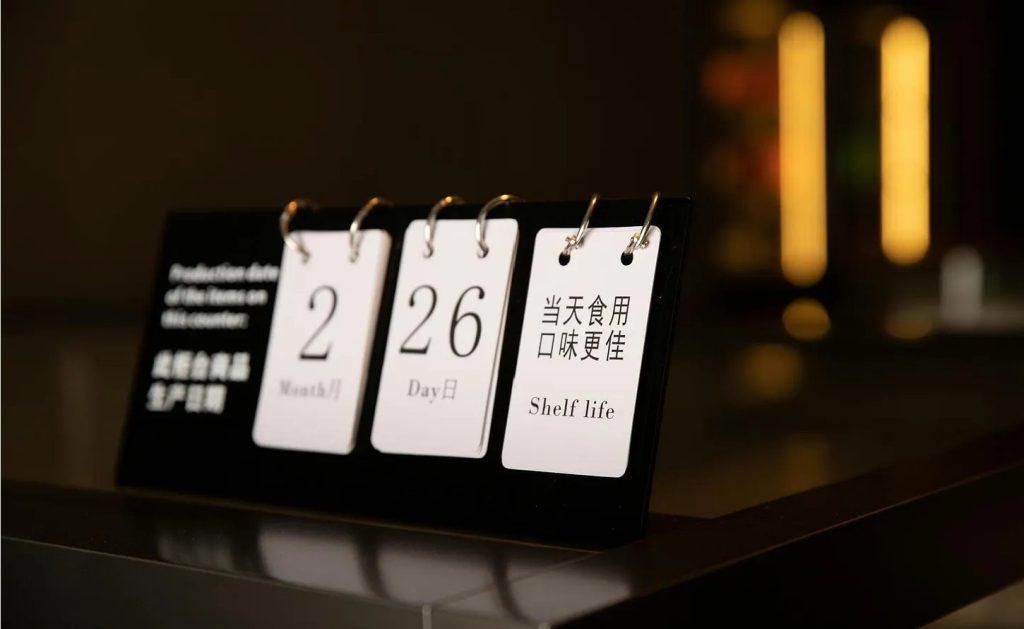
The label on the box top advises: Best if used by March 6, 2026.
I don’t know my expiration date, but knowing the box of Shredded Wheat is good for a limited time and that my time is limited got me thinking I could use a label too: Best if lived today.
It’s not a new message. Tim McGraw sang “Live Like You Were Dying” to the top of the country music charts twenty years ago. Jesus taught in the Sermon on the Mount, “Do not worry about tomorrow.”
Life is best when lived today.
Living our best for The Best is easier said than done, though. Too many troubles spoil too many days. Jesus knew this. When He said not to worry, He added, “Sufficient for the day is its own trouble.”1
This brings to mind how I love the way God frees us to do what Jesus said: Don’t worry.
For example, God established three annual festivals for Israel: Passover, the Feast of Harvest, and the Feast of Ingathering2. All the men (remember, those were patriarchal times) were to hike from home into the Lord’s presence.
Of course, they worried. Who would protect their homes? Who would safeguard their wives and children? They coined a cliché, while the father’s away, neighbors will prey.
Besides this, God expected each one to bring something: “None shall appear before Me empty-handed.”3
In a nation of mostly farmers and shepherds who lived off the land and were poor, leaving the land at peak seasons and rounding up gifts was a burden.
Unfathomable.
But God commanded, and God provided.
As for their concerns, He promised to buffer their enemies and to hold poachers at bay. Their homes would be safe.
“I will cast out the nations before you and enlarge your borders; neither will any man covet your land when you go up to appear before the LORD your God.“4
And God eased the burden of bringing Him gifts. He had promised centuries before that the Israelites would not start the Exodus empty-handed, and they didn’t. They plundered the Egyptians on Passover night.
Thus, they learned what we know: God is the same, yesterday and always.
They learned as we have: God’s command is His promise that we can. When He says, “Trust Me,” He makes it possible.
Your heavenly Father feeds the birds—are you not of more value than they? Why do you worry? Your heavenly Father knows that you need all these things.5
This reminds me of something else Jesus said about how to live these 24 hours: Whatever you want men to do to you, do also to them.6
God takes the lead here, too. (He always practices what He preaches.) He tells us to love and be truthful, to have compassion, mercy, kindness, and so forth. What God wants from us, He has done to us.
- Jesus observed the neglected and despised and had compassion. He kept company with them. They ate together.
- Time and again the oppressed cried, “Have mercy,” and Jesus relieved them—lepers, the blind, a mother whose daughter had a demon, and more.
- When the disciples shooed children away, Jesus was kind and beckoned, “Let them come.”
- He told us the truth about ourselves and God. “If you then, being evil, know how to give good gifts to your children, how much more will your Father who is in heaven give good things to those who ask Him!”7
- He said to love our enemies. “When we were enemies, God reconciled us through the death of His Son.“8
To be honest, the Golden Rule has stumped me at times. Occasionally, I have done to someone what I wanted them to do to me, and they got angry. What I did wasn’t bad or wrong—just that how I wanted to be treated wasn’t their thing.
What do you do in a case like this? The question isn’t rhetorical. How would you handle this? I would love to hear. Advise, please.
At any rate, the Apostle Paul tells us God has done a work in us that we are to live out.9
Unlike my Shredded Wheat, there is no expiration date.
But, if it had a label, it would be this: Best when done today.
Just the way I want to live.