
by Contributor

(Mar. 18, 2025) — When it comes to protecting your business, the first thing that comes to mind for many business owners is a burglar alarm. After all, alarms are designed to notify you when someone is trying to break in, right? While a burglar alarm might seem like a simple, straightforward solution, it’s far from enough on its own to fully protect your business. In reality, burglars have become savvy, and a basic alarm system can only do so much. If you’re serious about safeguarding your assets, employees, and customers, it’s important to understand that you need a more comprehensive approach. That’s where commercial security systems come into play. Let’s dive into why a burglar alarm just isn’t enough and what else you need to ensure complete security.
A Burglar Alarm Only Gets You Halfway There
Burglar alarms are a critical part of any business security plan, but they’re just one piece of the puzzle. When an alarm goes off, it’s meant to alert you (or law enforcement) that a potential intruder is on your property. While that’s certainly helpful, it doesn’t give you much information about the actual event. The alarm goes off, but you still don’t know who is on your premises, what they’re doing, or how to handle the situation.
If the intruder knows how to disable the alarm quickly or avoids triggering it altogether, your business could be left unprotected. A burglar alarm’s ability to only notify you after the fact makes it a reactive solution, not a proactive one. It also doesn’t deter a determined burglar from trying their luck. What you need is a more comprehensive security approach that helps prevent break-ins before they happen, keeps you informed in real-time, and provides a record if things go wrong.
Video Surveillance: Eyes on Your Business 24/7
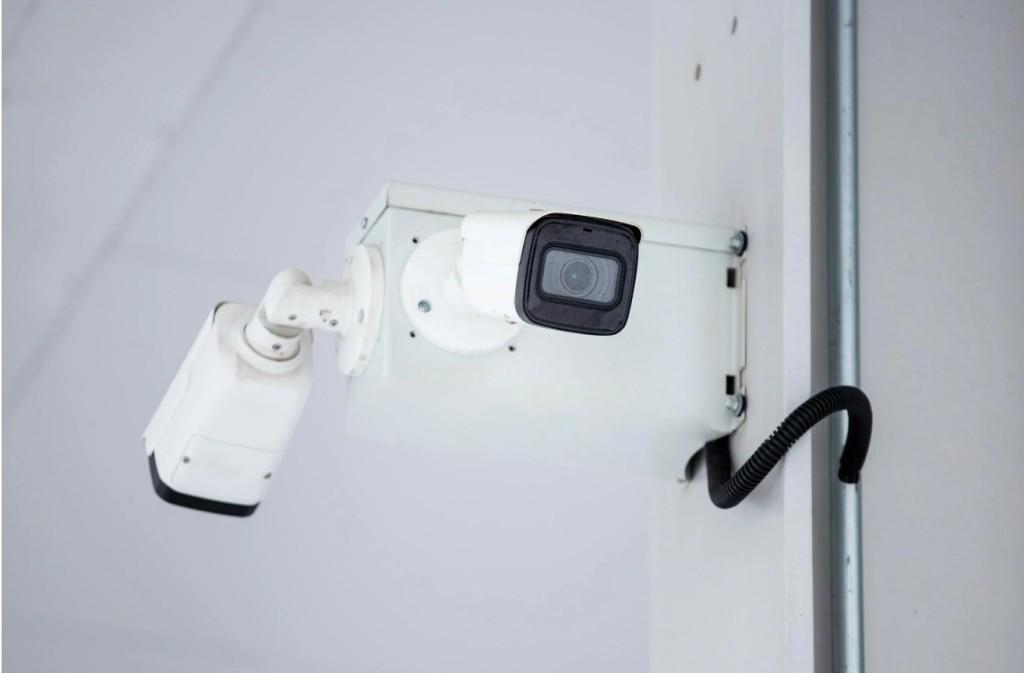
One of the biggest limitations of a burglar alarm is its inability to provide visual evidence of an intrusion. Sure, the alarm might tell you something is happening, but it can’t show you who is behind the crime or provide footage to law enforcement. This is where video surveillance steps in.
Installing security cameras as part of your commercial security system gives you the ability to monitor your business around the clock, even when you’re not physically present. Video cameras act as a deterrent for would-be criminals, who are less likely to target a business with visible cameras. Furthermore, if a break-in does occur, having recorded footage can provide crucial evidence that can help law enforcement track down the perpetrators.
With modern surveillance technology, you can even monitor the footage remotely from your smartphone, tablet, or computer. This provides peace of mind, especially if you travel frequently or operate multiple locations. Real-time access to your video feed can help you respond faster to incidents and prevent further damage.
Access Control Systems: Limiting Who Can Enter Your Business
Not all security breaches happen at night or from an outside intruder. In some cases, the threat may come from within the business itself. Employees, former employees, or contractors with access to sensitive areas can pose a significant risk. This is why an access control system is a crucial addition to your security plan.
Access control systems allow you to restrict entry to specific areas of your business by using keycards, biometric scans, or PIN codes. These systems provide detailed logs of who entered what areas and when, giving you an accurate record of all movements within your building. If an unauthorized individual gains access, you’ll have the ability to track their movements and determine how they bypassed security. This feature is especially helpful for businesses with sensitive information or high-value assets that need extra protection.
Additionally, access control can prevent “tailgating,” which is when someone follows an authorized person into a restricted area. These systems offer a much higher level of control compared to traditional locks and keys, which can easily be copied or lost.
Remote Monitoring: Keeping an Eye on Things from Anywhere
One of the best ways to ensure your business is secure is by enabling remote monitoring. With remote monitoring, you can oversee your business’s security system from anywhere. Whether you’re on vacation, at a meeting, or simply not on-site, you’ll have access to live data, security footage, and alarm notifications directly from your phone or computer.
Remote monitoring works in real-time, so if something suspicious happens, you can be notified instantly and take action. For example, if a motion sensor is triggered or a camera detects movement, you can quickly check the video feed to assess the situation. In the event of an actual break-in, remote monitoring ensures that emergency services are contacted right away, minimizing the damage and increasing the chances of catching the culprit.
Additionally, remote monitoring allows you to stay informed about the health of your security system. You’ll receive alerts if a camera malfunctions or if any sensors are tampered with, allowing you to fix potential issues before they compromise your security.
Alarms are Only Part of the Puzzle: Integration is Key
For a security system to be truly effective, it’s crucial that all the components—alarms, cameras, access control, and monitoring—are integrated into one cohesive system. This integration ensures that every element of your security infrastructure works together seamlessly, providing you with a unified approach to keeping your business safe.
An integrated commercial security system allows you to control all aspects of your security from a single interface, whether that’s through an app, a centralized dashboard, or a security management center. When all the pieces of the puzzle fit together, you’re able to respond more quickly and more efficiently to any security threats, whether it’s an intruder trying to break into your office or an employee accessing a restricted area.
The integration of your systems also means you can gather data that can help you make informed decisions about your security. For instance, if a particular area of your business is repeatedly targeted by theft, you can adjust your security measures to better protect that area.
Conclusion
A burglar alarm alone may seem like enough to secure your business, but in reality, it only scratches the surface of what’s needed to keep your property safe. A complete commercial security system includes video surveillance, access control, remote monitoring, and the integration of all these features to provide a comprehensive, proactive approach to business security. By investing in these advanced tools and strategies, you’ll not only deter potential criminals but also have the tools to respond quickly and effectively if a security breach occurs. Protecting your business goes beyond just sounding an alarm—it’s about creating a multi-layered defense that keeps you, your employees, and your assets secure.