
by James Lyons-Weiler, PhD, Popular Rationalism, ©2024
(Dec. 5, 2024) — Founding Fraudsters: Prominent Founding Figures with Ties to Questionable Medical Practices
The late 19th and early 20th centuries represent a pivotal moment in the history of medicine. This era witnessed the rise of professional healthcare and pharmaceutical industries, yet it also bore the imprint of practices today deemed unscientific or outright fraudulent. Many key figures in this transformative period straddled the divide between groundbreaking advancements and methods that echoed the quackery of their time.
William Radam, a German immigrant to the United States, became a prominent yet controversial figure with his creation of “Radam’s Microbe Killer.” Radam claimed his solution could destroy all disease-causing microbes in the body, an assertion supported by fervent advertising campaigns. The product, a mixture of water, sulfuric acid, and red wine, was ineffective and potentially harmful. Yet, Radam’s marketing mastery—emphasizing dramatic claims of universal cures—foreshadowed the branding strategies that pharmaceutical companies would later refine, prioritizing trust and appeal over scientific evidence.
Similarly, Benjamin Brandreth, a New York-based entrepreneur, capitalized on public gullibility with his “Vegetable Universal Pills.” Brandreth promised that these pills, composed primarily of cayenne pepper and other innocuous ingredients, could purify the blood and cure myriad ailments. Despite their lack of medical efficacy, the pills became a household staple, and Brandreth amassed a fortune. His success illustrated not only the public’s willingness to embrace unverified remedies but also the power of colorful, engaging advertising—a practice that became a cornerstone of pharmaceutical promotion.
In the United Kingdom, Dr. John Collis Browne gained fame and notoriety with his creation of “Chlorodyne,” a mixture containing opiates, chloroform, and cannabis. Marketed as a remedy for coughs, colds, diarrhea, and even cholera, Chlorodyne provided symptomatic relief but posed significant risks, including addiction and overdose. The product exemplifies the tension between addressing immediate symptoms and ensuring long-term safety—a debate that persists in discussions about modern opioid use.
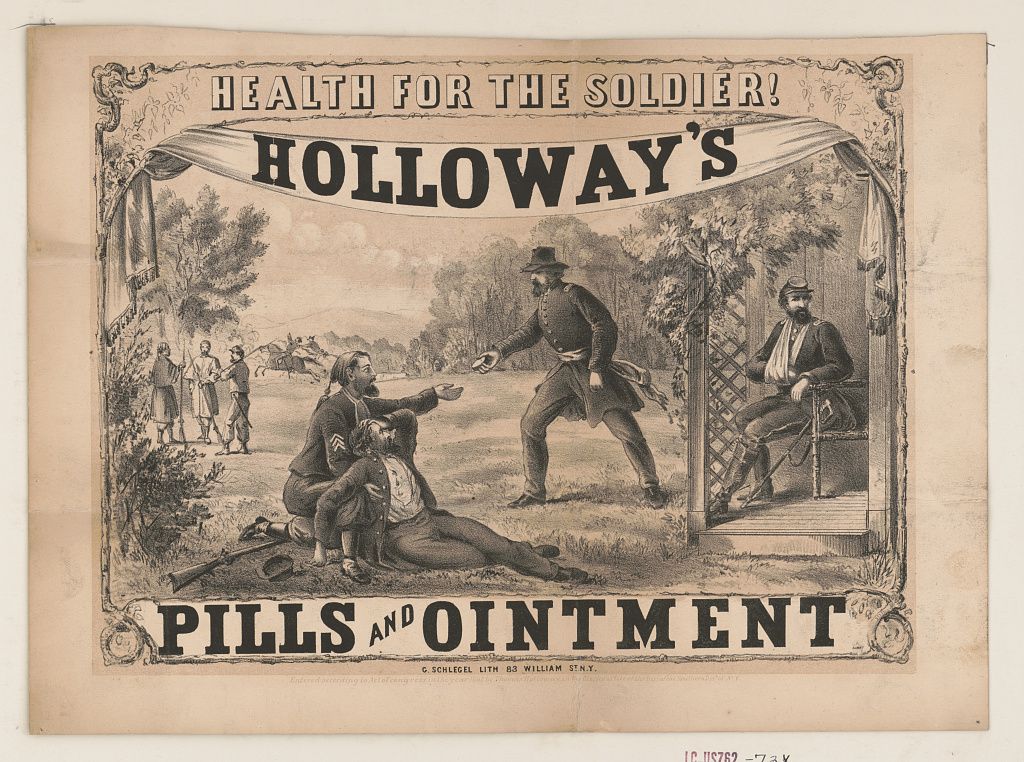
Dr. Thomas Holloway, another British figure, amassed wealth selling “Holloway’s Pills and Ointments,” remedies marketed as cures for conditions ranging from indigestion to tuberculosis. Holloway’s products lacked scientific validation, but his advertisements, filled with testimonials and dramatic imagery, captivated audiences and cemented his legacy as a pioneer of persuasive marketing. His approach to consumer trust and branding heavily influenced the pharmaceutical industry, even as it perpetuated the sale of ineffective treatments.
The partnership of Silas Burroughs and Henry Wellcome further illustrates the complexity of this era. Co-founders of Burroughs Wellcome & Co. in London, they introduced “Tabloid” medicines, standardized doses of drugs in pill form. Their contributions to pharmaceutical standardization were significant, yet many of their early products were insufficiently tested, prioritizing marketability over rigorous scientific validation. This dual focus on innovation and profit laid the groundwork for the modern pharmaceutical industry while highlighting its enduring challenges.
Read the rest here.
Comments
One response to “Popular Rationalism on: The Quackery Foundations of Modern Medicine”
Comedy relief.
Cover your mouth!
Where are all the COUGHians when you need one?
Oh, here they come now to the rescue.
https://youtu.be/GF6cqod0Ju4