
by Contributor

(Jan. 5, 2024) — Dealing with a debt that has fallen into collections can often feel like navigating a labyrinth in the dark. This journey, while challenging, can lead to a surprising transformation, much like a caterpillar into a butterfly. Not only do you have to endure the persistent calls of debt collectors, but you also face the daunting task of repairing the after-effects on your financial profile. Among these repercussions, a reduction in your credit score and unsightly blemishes on your credit report stand out prominently. In this article, we’ll embark on an unconventional path to address these issues, including asking issuers to forgive credit card debt, and guide you through the process of emerging financially stronger.
Understanding the Impact of Collections on Your Financial Health
First, it’s essential to recognize how a collection account can alter the landscape of your financial health. Picture your credit report as a personal financial diary, with each entry contributing to a story that lenders read to understand your fiscal responsibility. A collection account is akin to a plot twist in this story, signaling to potential lenders that there was a stumble along the way. This chapter in your financial narrative not only lowers your credit score but also raises questions about your creditworthiness.
Strategies to Navigate Debt in Collections
The Art of Negotiation: Settling Your Debt
Embarking on the journey to settle a collection debt is much like a chess game. Each move should be strategic and well-thought-out. The first step is to contact your creditor and negotiate a settlement. This process can be likened to bartering in an ancient marketplace, where both parties aim to reach a mutually beneficial agreement. You might propose a lump sum payment that is less than what you owe, or perhaps a payment plan that fits your current financial situation. Remember, creditors are often willing to negotiate as they prefer recovering a portion of the debt over none at all.
The Butterfly Effect: Debt Forgiveness
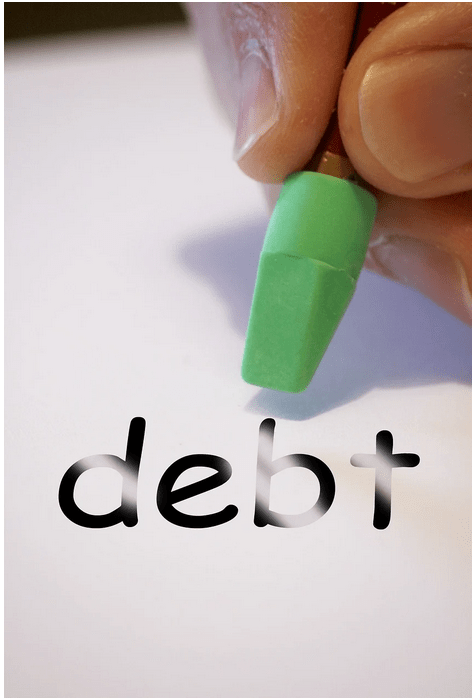
In rare instances, like a butterfly emerging after a long metamorphosis, there may be an opportunity for debt forgiveness. This is where the creditor agrees to forgive a portion of your debt. While not common, it’s a possibility worth exploring, especially if your financial situation has drastically changed, making it nearly impossible to pay off the full amount.
Navigating the Legal Landscape
Understanding Your Rights
It’s crucial to be aware of your rights when dealing with debt collectors. The Fair Debt Collection Practices Act (FDCPA) serves as a shield, protecting you from unfair or aggressive collection tactics. Imagine this Act as a guardian, ensuring that debt collectors don’t overstep their boundaries, much like a referee in a sport, maintaining fair play.
Disputing Inaccuracies
Sometimes, your credit report may reflect inaccuracies related to your collection account. This situation can be compared to a misdiagnosis in medicine. Just as it’s vital to get a second opinion from another doctor, it’s equally important to dispute any inaccuracies on your credit report. You can file a dispute with the credit bureaus, providing evidence to support your claim. If successful, these inaccuracies will be removed, improving your credit score.
Rebuilding Your Credit
Developing a Robust Financial Plan
After addressing the immediate concerns of your collection account, it’s time to rebuild your credit score. Think of this process as cultivating a garden. It takes time, patience, and consistent care. Start by creating a budget that allows you to meet all your financial obligations on time. Consider opening a new line of credit, such as a secured credit card, and use it responsibly to demonstrate your creditworthiness.
The Role of Financial Education
Equipping yourself with financial education is akin to arming a warrior with the right weapons. Understand the factors that impact your credit score, such as payment history, credit utilization, and the length of credit history. Use this knowledge to make informed financial decisions that will positively impact your credit score over time.
Conclusion: Embracing the Journey
Confronting and resolving a debt in collections is not just about settling a financial obligation. It’s a journey of self-discovery and growth, a process that can transform your approach to personal finance. By navigating this path with knowledge, strategy, and patience, you can emerge stronger, wiser, and in a better financial position than before. Remember, like a ship navigating through a storm, reaching calm waters requires skill, resilience, and the right approach.