

by Dr. James Lyons-Weiler, PhD, Popular Rationalism, ©2023
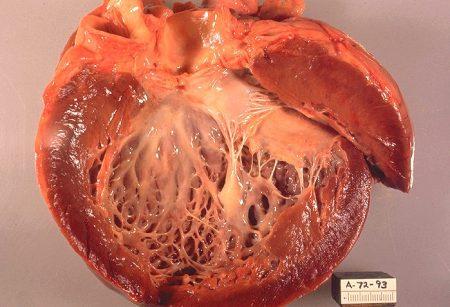
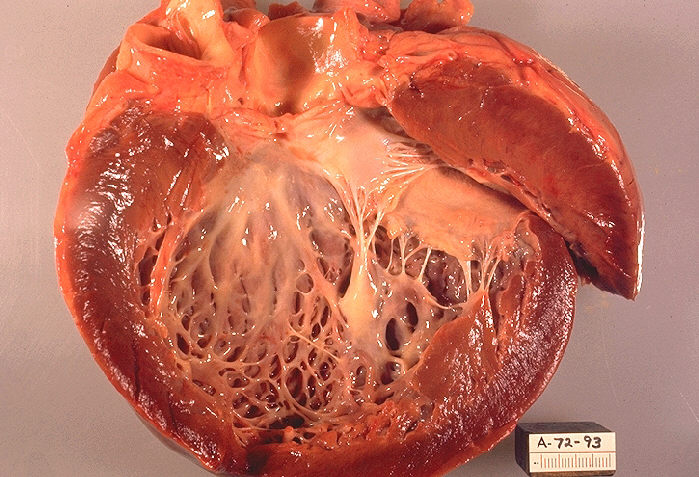

(Aug. 1, 2023) — There is little remaining room for doubt that myocarditis and pericarditis are among the adverse events one can expect from COVID-19 mRNA shots. At the end of this article is a list of related articles on that issue. Today’s question is: what indicators, used in combination with Troponin, might be useful in identifying “subclinical” or “not clinically significant” myocarditis and preventing sudden death in afflicted young adults? And what evidence exists of the risk of heart damage from other vaccines?
Introduction
Troponin, a critical cardiac biomarker, is instrumental in diagnosing myocardial infarction or heart attacks (Thygesen et al., 2018). This protein, found in cardiac muscle cells, spills into the blood when heart tissue damage occurs. Our focus will be the varied causes behind elevated troponin, with special attention given to a unique intersection — virus- and vaccine-induced cardiomyopathy.
Elevated Troponin: A Closer Examination
“Elevated” is a relative term in medicine. Factors such as patient characteristics, the specific troponin assay used, and clinical judgment help define what’s considered ‘elevated’ troponin (Thygesen et al., 2018). Although commonly linked to myocardial infarction, elevated troponin can also signify different forms of cardiac injury.
Cardiomyopathy: An Overview
Cardiomyopathy refers to a group of diseases affecting the heart muscle. These diseases may lead to heart failure, irregular heart rhythms, or even sudden cardiac arrest (Bozkurt et al., 2016). The interplay between elevated troponin and cardiomyopathy presents a complex puzzle that physicians must piece together.
Virus-Induced Cardiomyopathies
Virus-induced cardiomyopathies result from viral infections of the heart muscle. These infections trigger an inflammatory response that could evolve into chronic cardiomyopathy (Kindermann et al., 2008; Bowles et al., 2003; Kuhl et al., 2005). The exact mechanisms behind this transition involving the body’s immune response are varied but involve cell death.
Vaccine-Induced Cardiomyopathy: Real Beyond COVID-19 Vaccine, But Underappreciated
Recent attention has turned towards vaccines, particularly COVID-19 vaccines, as potential triggers for cardiomyopathy. This novel and less-understood occurrence has been associated with mRNA and adenoviral vector-based vaccines (Montgomery et al., 2021; Bozkurt et al., 2021).
Read the rest here.