
by Cheryl Lacey, ©2023

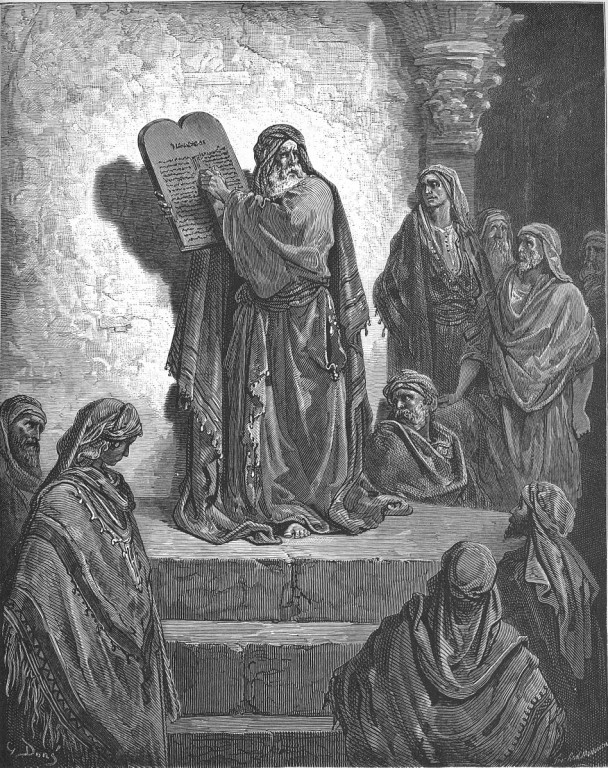
(May 13, 2023) — It has been said that the very first public school began in 459 BC. It was the ‘house of the book’ or the ‘house of the teacher’, established in Jerusalem by a Jewish scribe and priest. His name was Ezra.
His school aimed to provide education for fatherless boys aged sixteen and upward.
The Jewish community continued to take the lead and determined that all children, regardless of class, were entitled to an education. The result: the beginnings of what we now know as elementary or primary schools.
Monasteries and the Roman Catholic Church were education centres during the middle ages. So were the town squares, where culture was passed on to groups of people who gathered there to read or listen.
Anyone could open a school and present a curriculum offering. In that way, parents could choose the right school for their children, based on what they wanted them to learn and the fee they could afford.
Centuries later, between the 1870s and 1950s, the segregation laws in the Southern United States extended to public schools. Government support for Black education was poor, so parents turned to churches, which became places of worship and learning and teaching.
The First Fleet arrived in Australia in 1788. The law of the day had made no provision for education, so it was left to convict women and the wives of the marines to tutor the children.
These are brief glimpses into some of the many historical accounts that place parents at the centre of their children’s schooling and life-long education.
Your rightful position in the centre of all decision-making is just the same today.
Your right to fulfil your responsibility in taking the lead in your children’s education must always be supported.