
by Allan Wall, Mexico News Report, ©2026

(Sep. 14, 2026) — Every nation needs its symbols, traditions and celebrations. Such things affirm a nation’s identity and pass its traditions to the next generation. That’s why national holidays are important.
Mexican Independence Day is the most popular Mexican patriotic holiday. It’s not the same as Cinco de Mayo, which is actually a minor holiday in Mexico. (See my article on Cinco de Mayo here).
Mexican Independence Day is Diez y Seis de Septiembre (the 16th of September). It celebrates the independence of Mexico, from Spain, in the early 19th century. As Independence Day approaches, one sees more Mexican flags of various sizes, being sold on street corners.
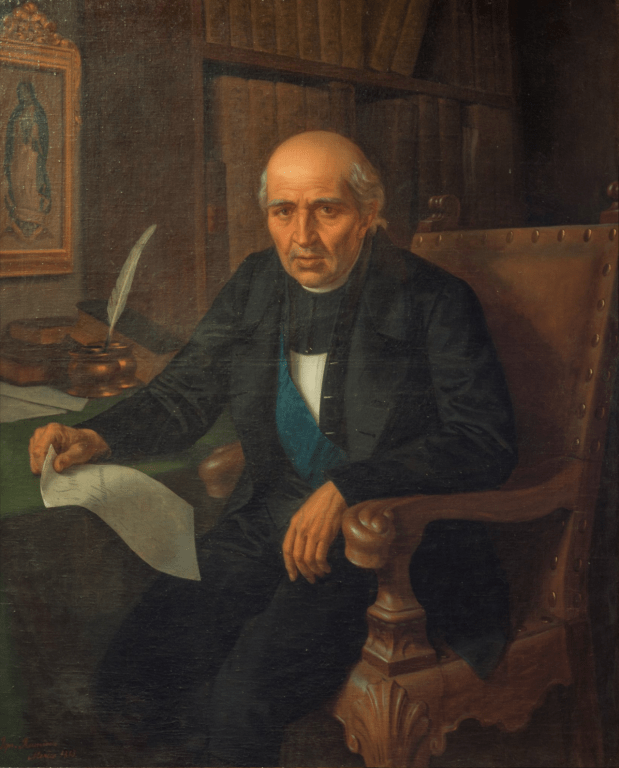
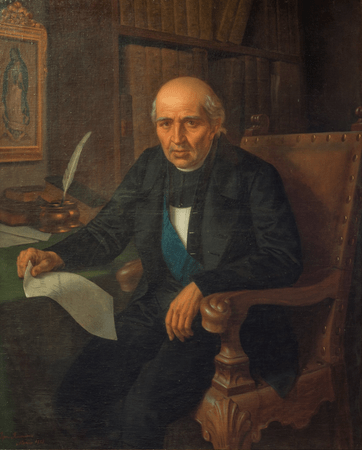
Mexican Independence Day really begins on the night of September 15th, at the traditional Grito observance. Grito means “shout” or “cry”. It commemorates the manner in which Miguel Hidalgo, considered the father of Mexico, publicly initiated what became the Mexican independence movement, in 1810.
This was in the town of Dolores, now renamed Dolores Hidalgo, in central Mexico, in the province (now state) of Guanajuato. Hidalgo, a priest, gathered the people in front of the church on the plaza, where he gave a speech, rang the bell, and called the people to action.
Read the rest here.
Leave a Reply